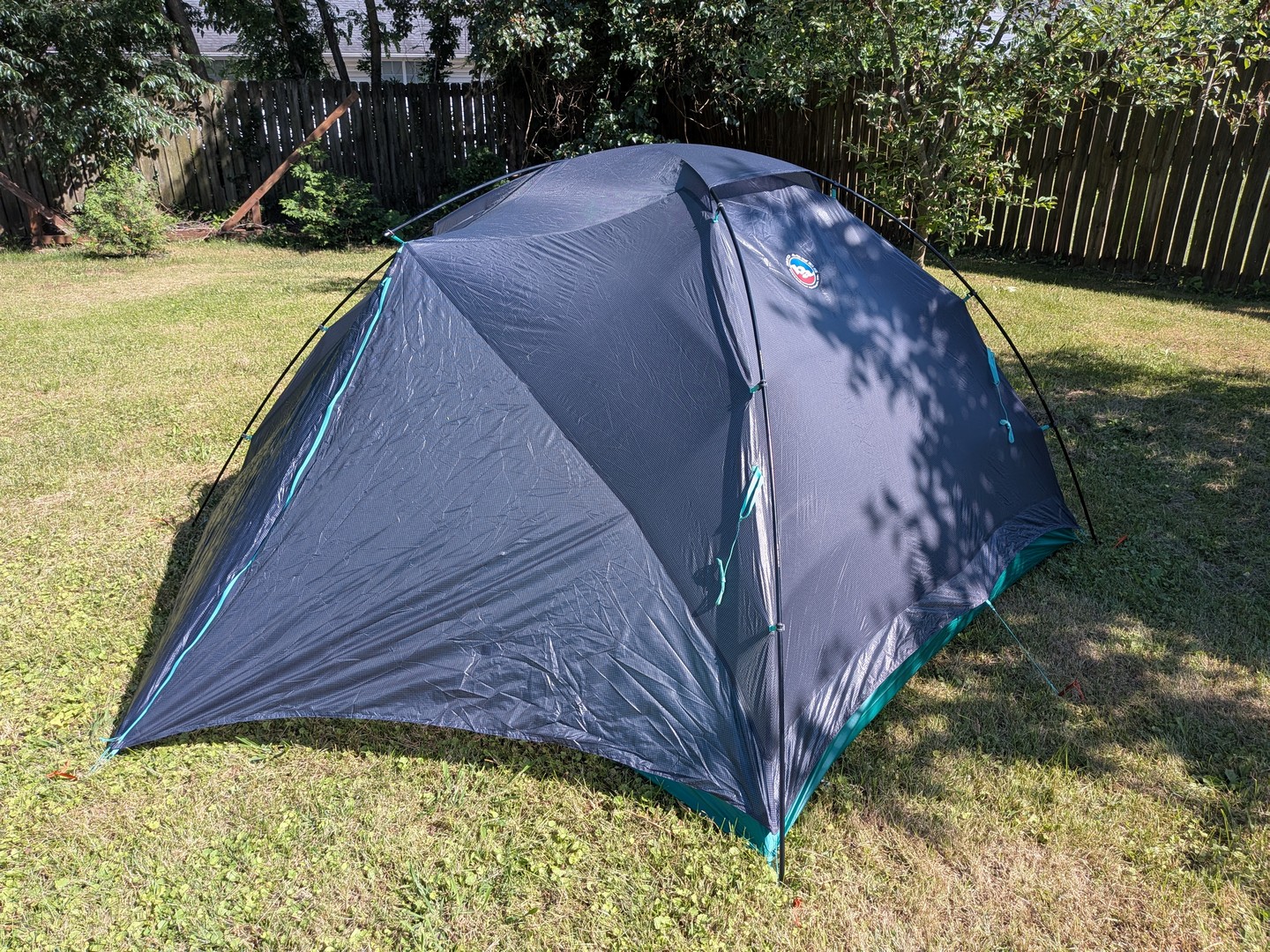
The Big Agnes Sarvis SVT line combines the benefits of both double and single wall tents into a singular, ultra-light concept that attempts to bring the benefits of both without the sacrifices of either. Is that too good to be true? Or did they pull it off? Let’s take a look.
I wanted to pre-face this by saying this is more of an overview than a full review. Big Agnes was kind enough to loan me this shelter and while I’ve enjoyed testing it, I’ve not had it long enough to do my full, vigorous testing that I normally do. Still, I’ve had enough time to form some early opinions and I’m eager to share them now that I see the pros and cons of the design. So, let’s dive right in.
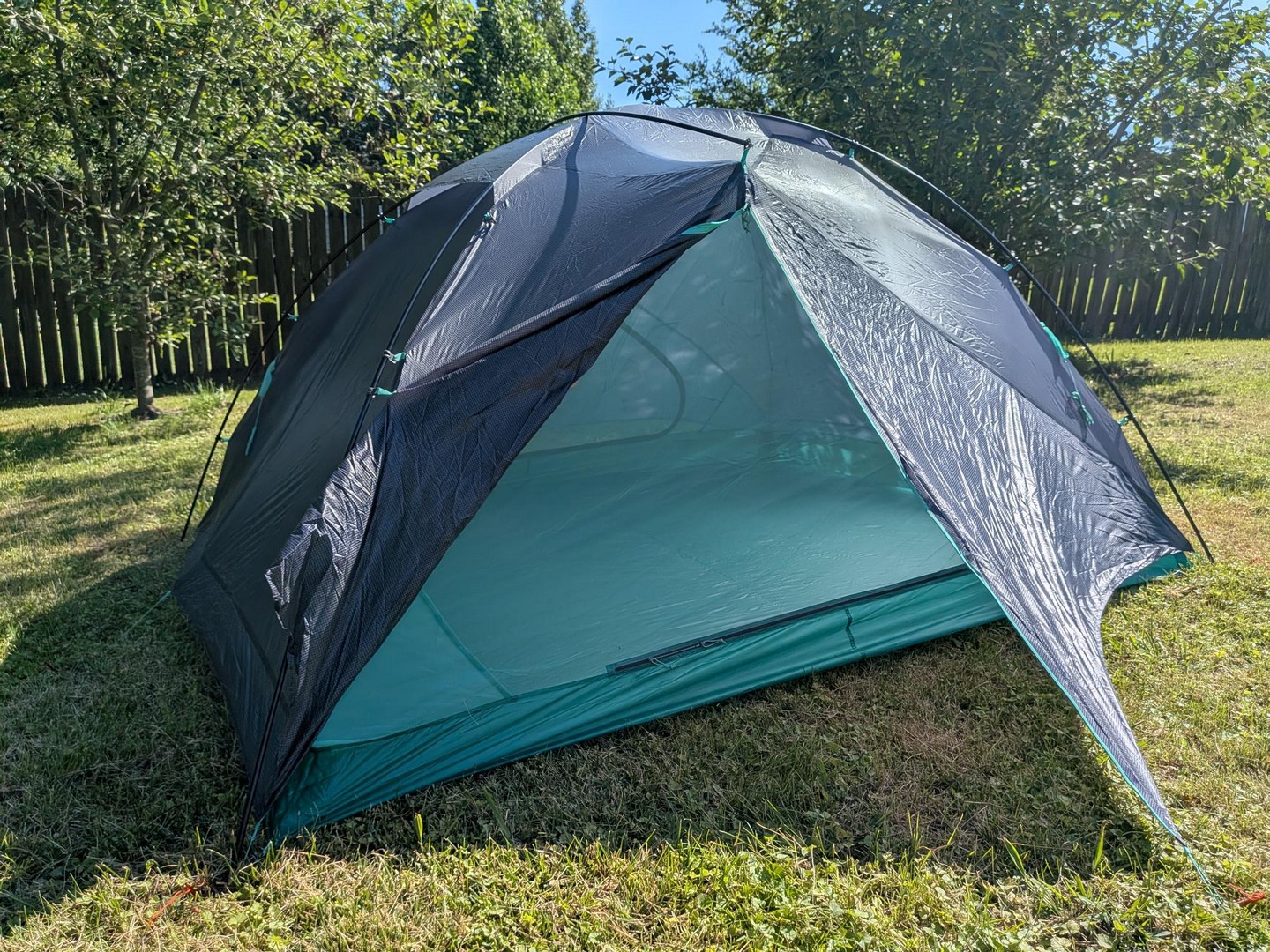
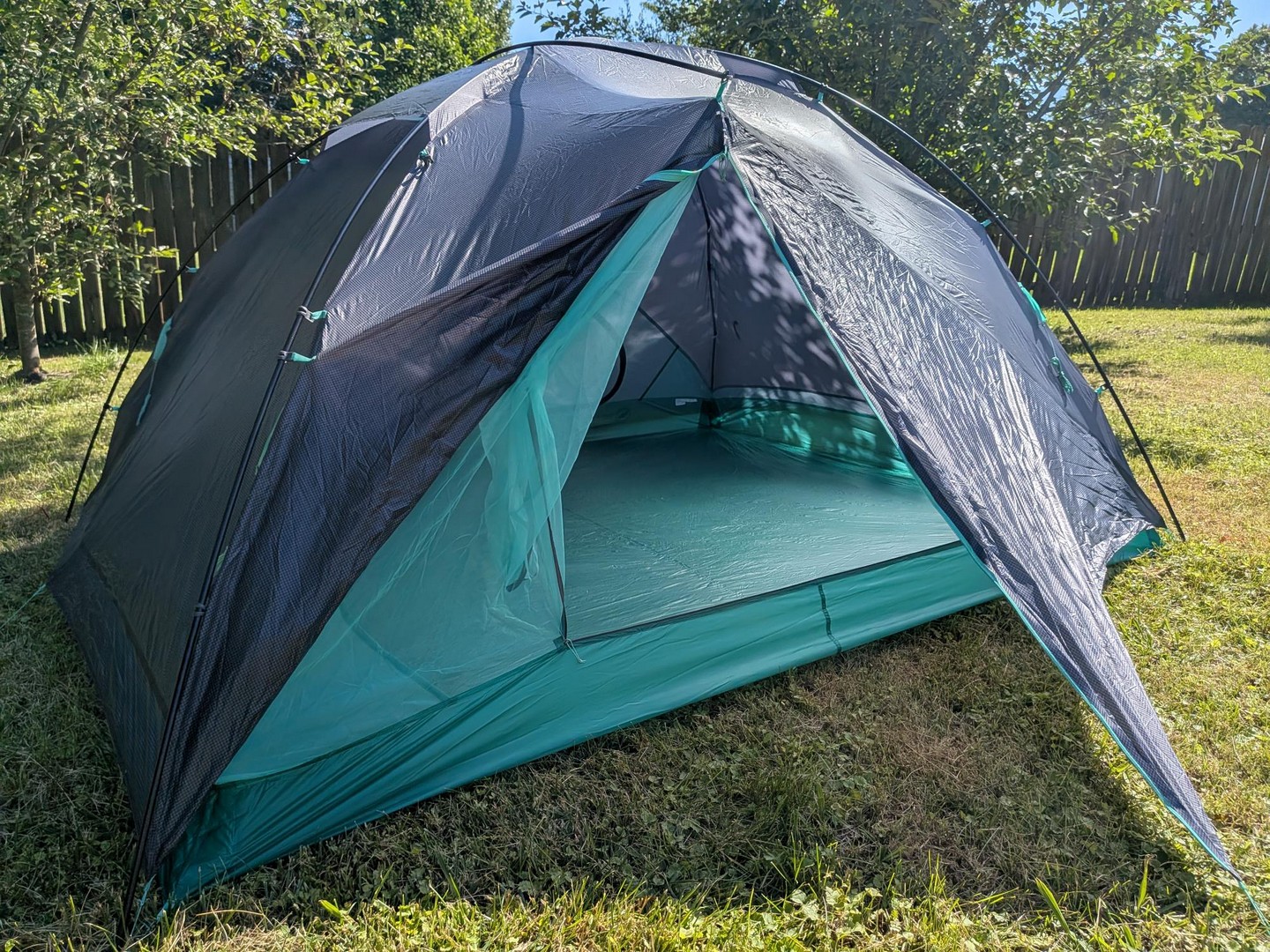
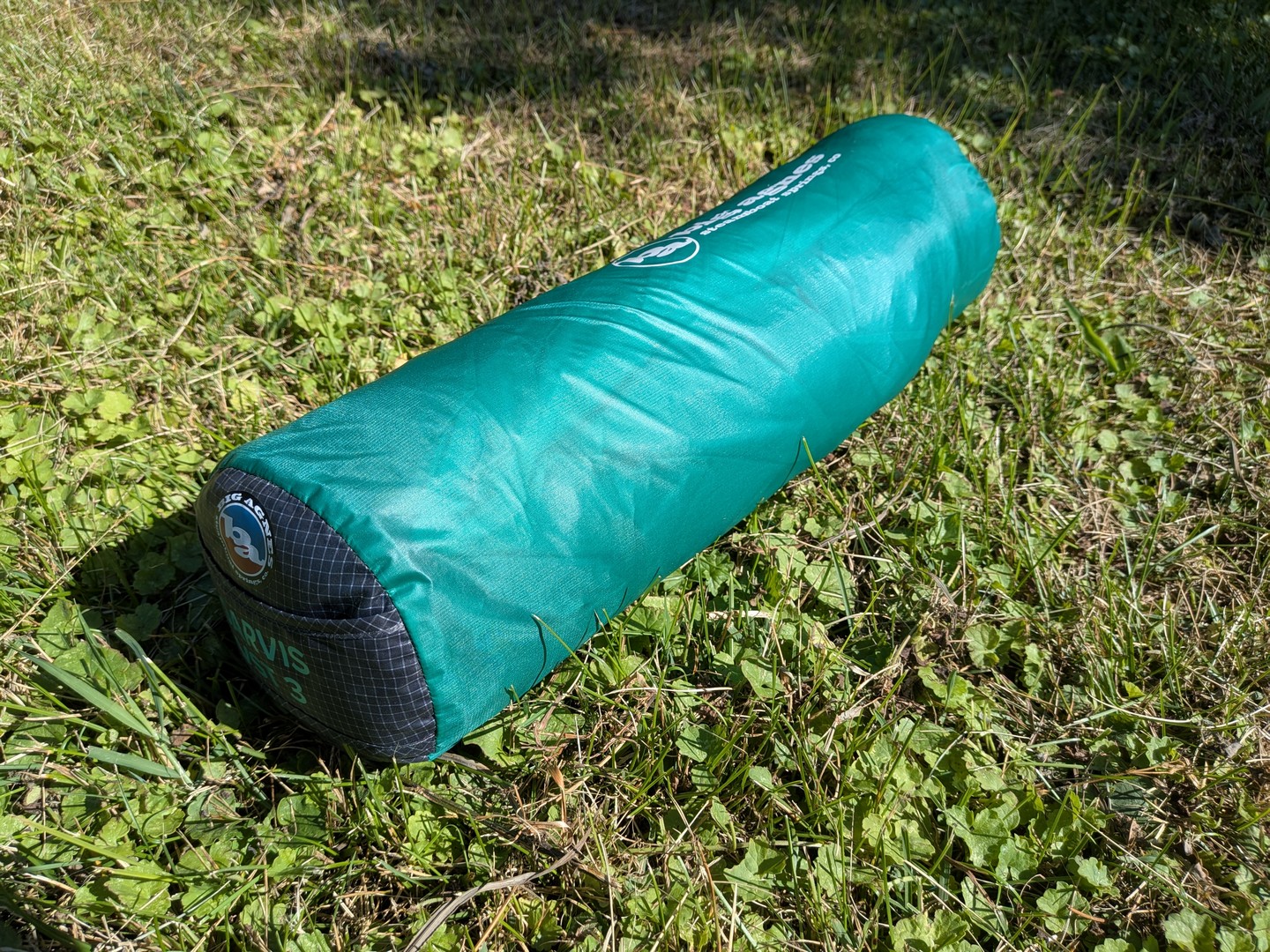
The concept behind the Sarvis SVT line is “cutting weight without cutting corners”. Considering the three person shelter I’m testing comes in at the weight of a two person shelter (3 lbs. 6 oz.), I would say they mostly achieved this. But how did they manage to do this? Mostly a combination of advanced materials and clever design.
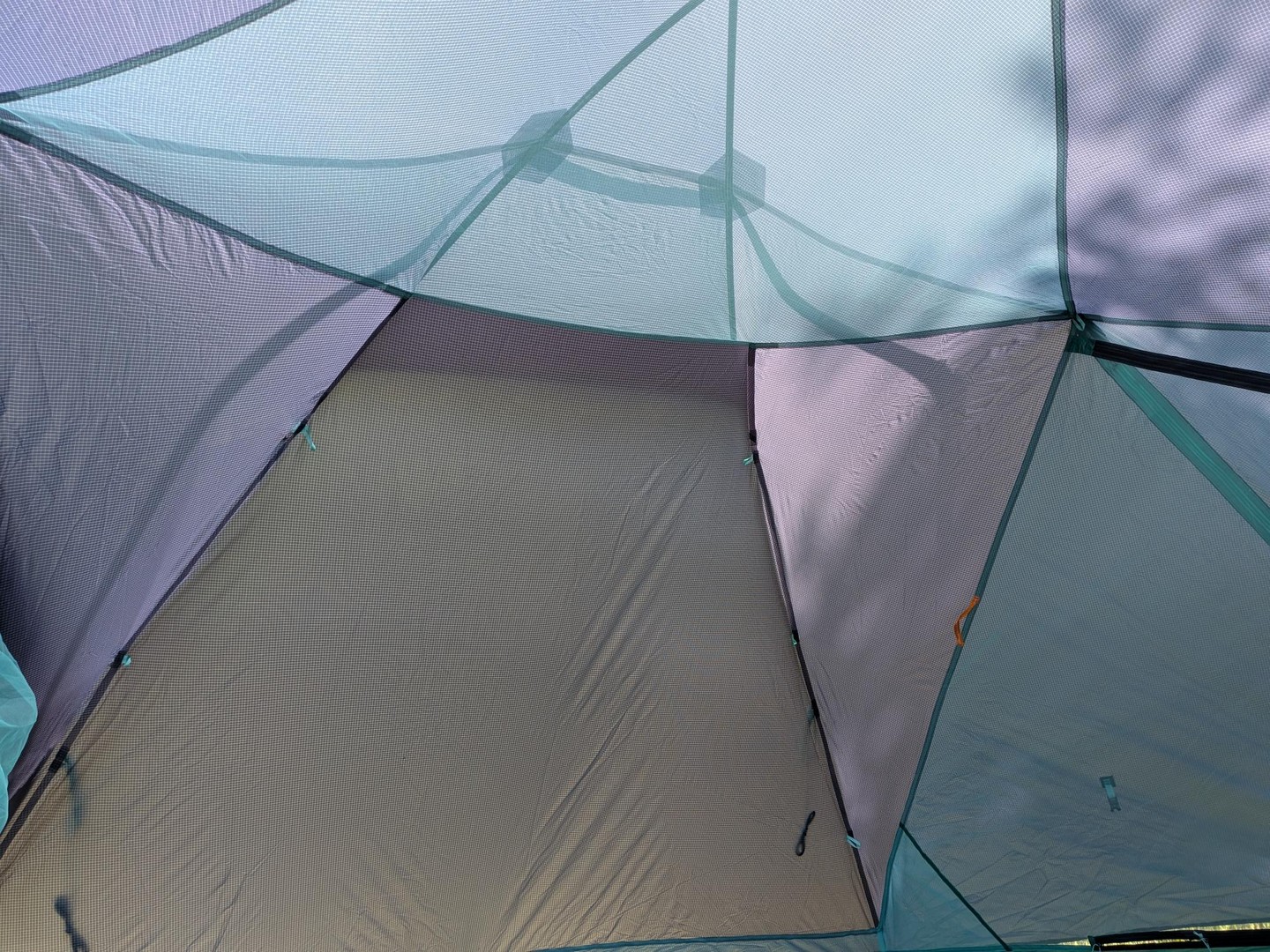
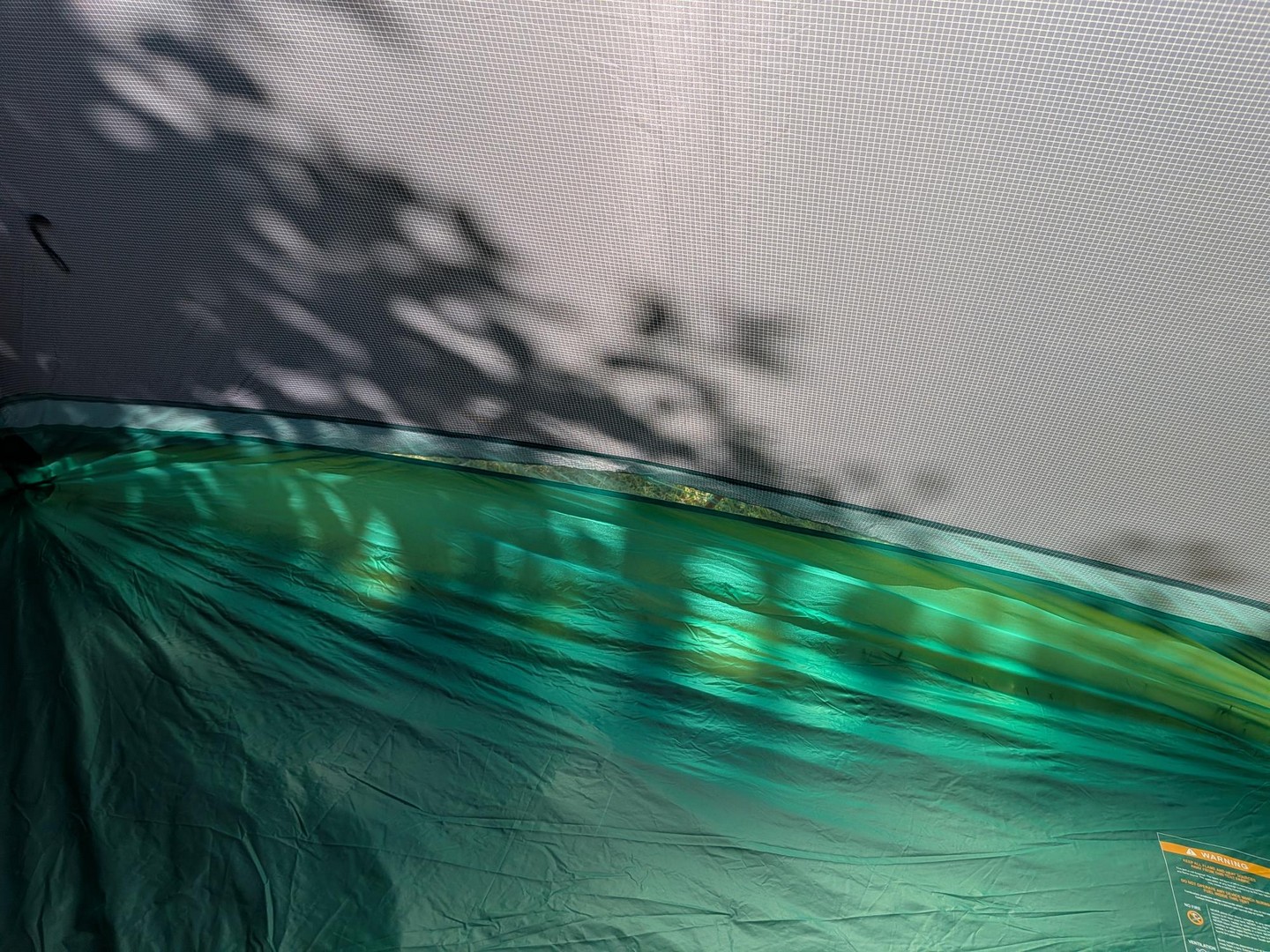
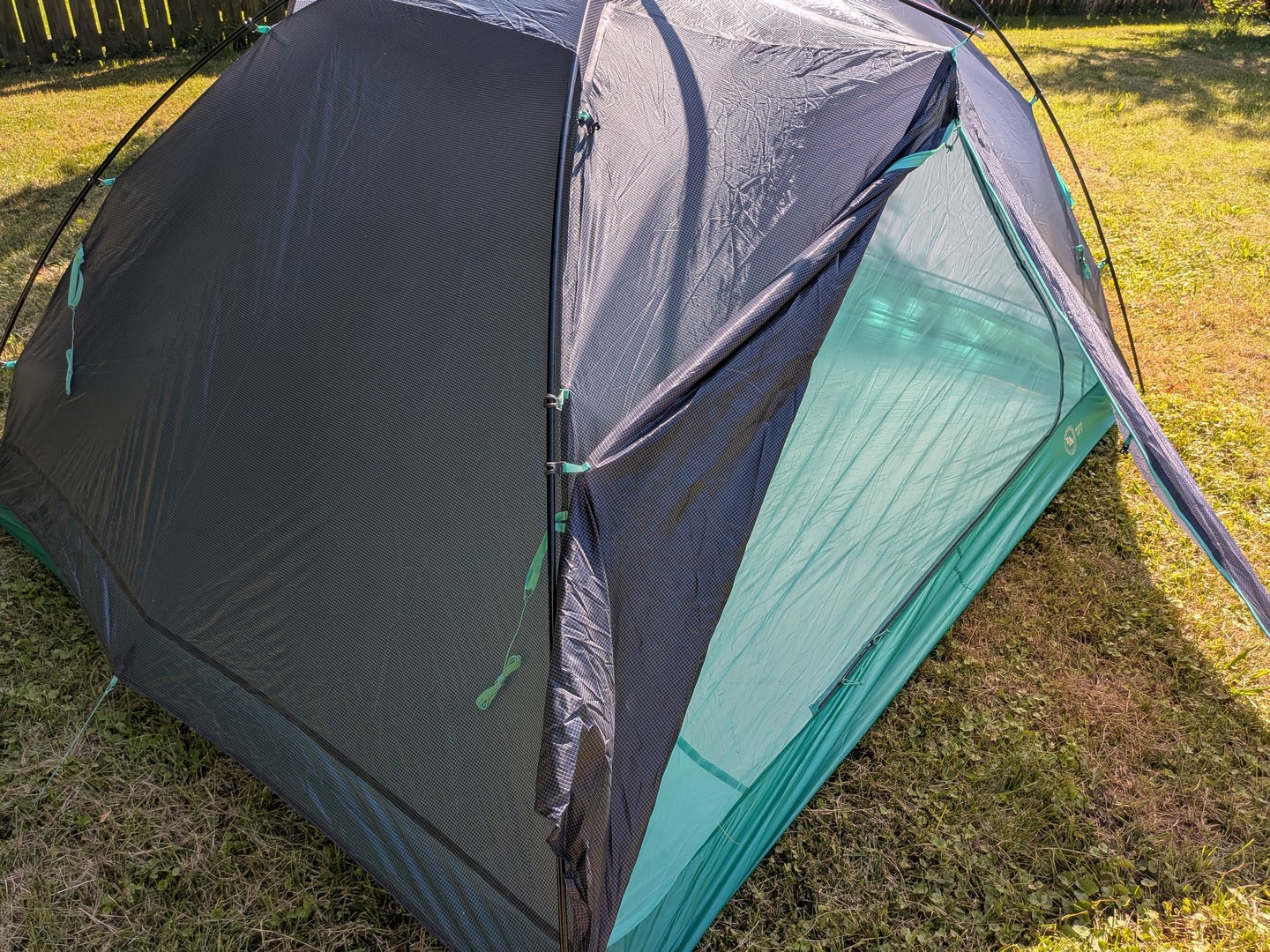
Instead of using a traditional double wall design (an inner mesh body with an outer waterproof fly) they opted to ditch the inner mesh and instead rely on a single wall construction. The benefit to this design is less material, and thus less weight. The downfall is there is no mesh layer of material between the outer wall and the sleepers inside. Why is that worth mentioning? If condensation builds up inside the tent it can be exposed directly to the campers and their gear.
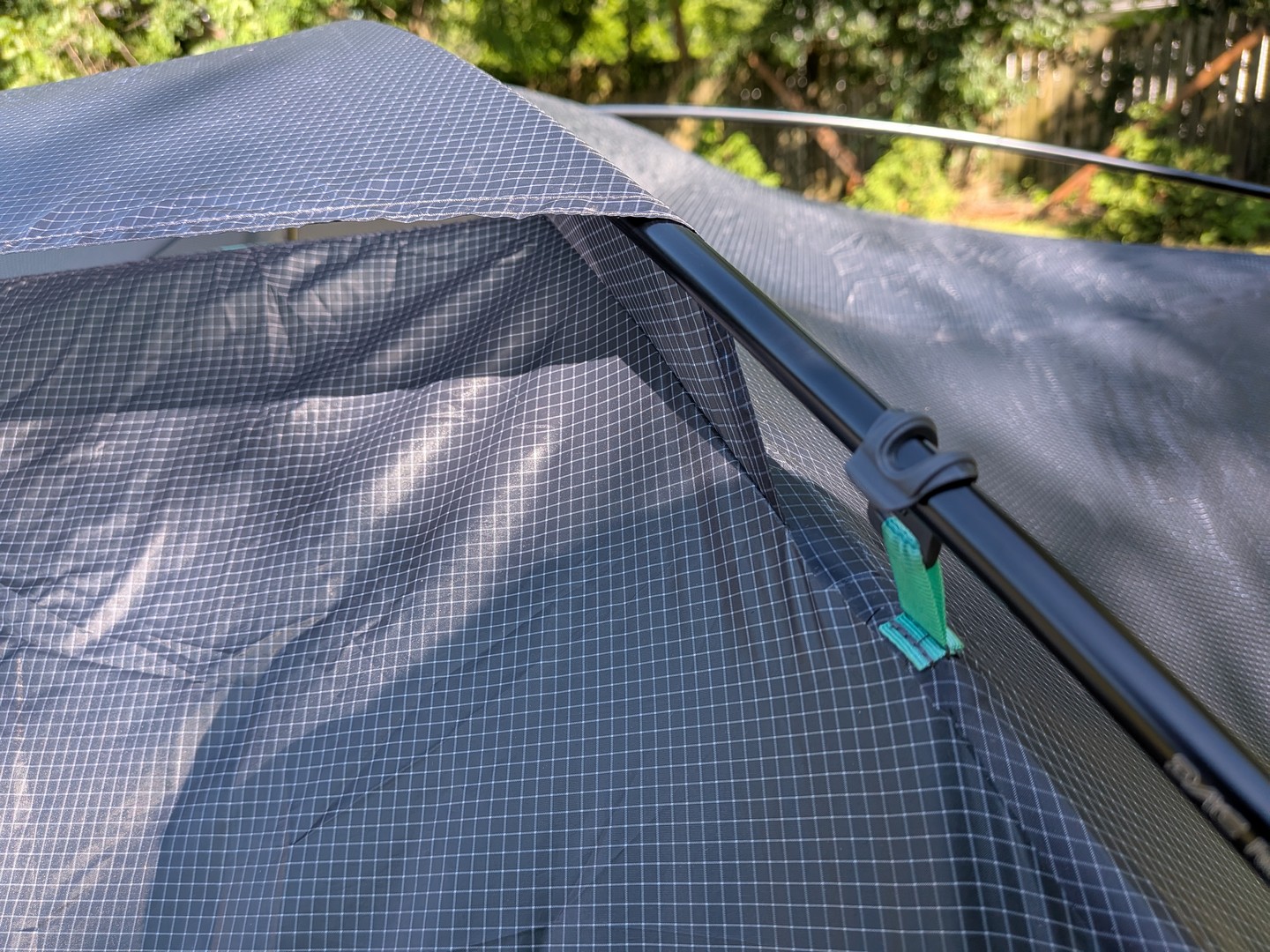
Luckily, there are ways to midigate this issue. Namely, ventilation. Big Agnes put a lot of effort into this with the Sarvis. There are two vents at the top of the tent. Two more vents at the head and foot. Also, the side panels of the tent are also completely mesh and breathable. The doors in the rain fly are also double zippered, so the top zipper can be unzipped to allow some air in, or the doors can be rolled back entirely to allow for air to pass through. This won’t completely solve the problem, but in drier climates it will not be an issue. Anywhere that hits 50 percent humidity or higher will see considerable condensation still build up, but it is mostly not a problem. In heavy wind droplets of condensation this can shake off the inner tent wall and fall onto sleeping bags and the like, but it’s not a super common problem. If sleeping bags rub up against the head and foot of the tent there are fabric sections a couple inches off the the ground that can also dampen the bags directly, but there is enough room inside to generally avoid this situation. I found that the Sarvis did a great job of ventilating and mitigating the issue, but it couldn’t be avoided altogether in my area, which can see humidity climb above 80 percent. Still, it wasn’t enough of an issue that the tent wasn’t usable or uncomfortable. It’s worth mentioning that the design of the top vents, with the poles of the tent being used to keep them open, means they are always open. No sealing up if it’s really cold out.
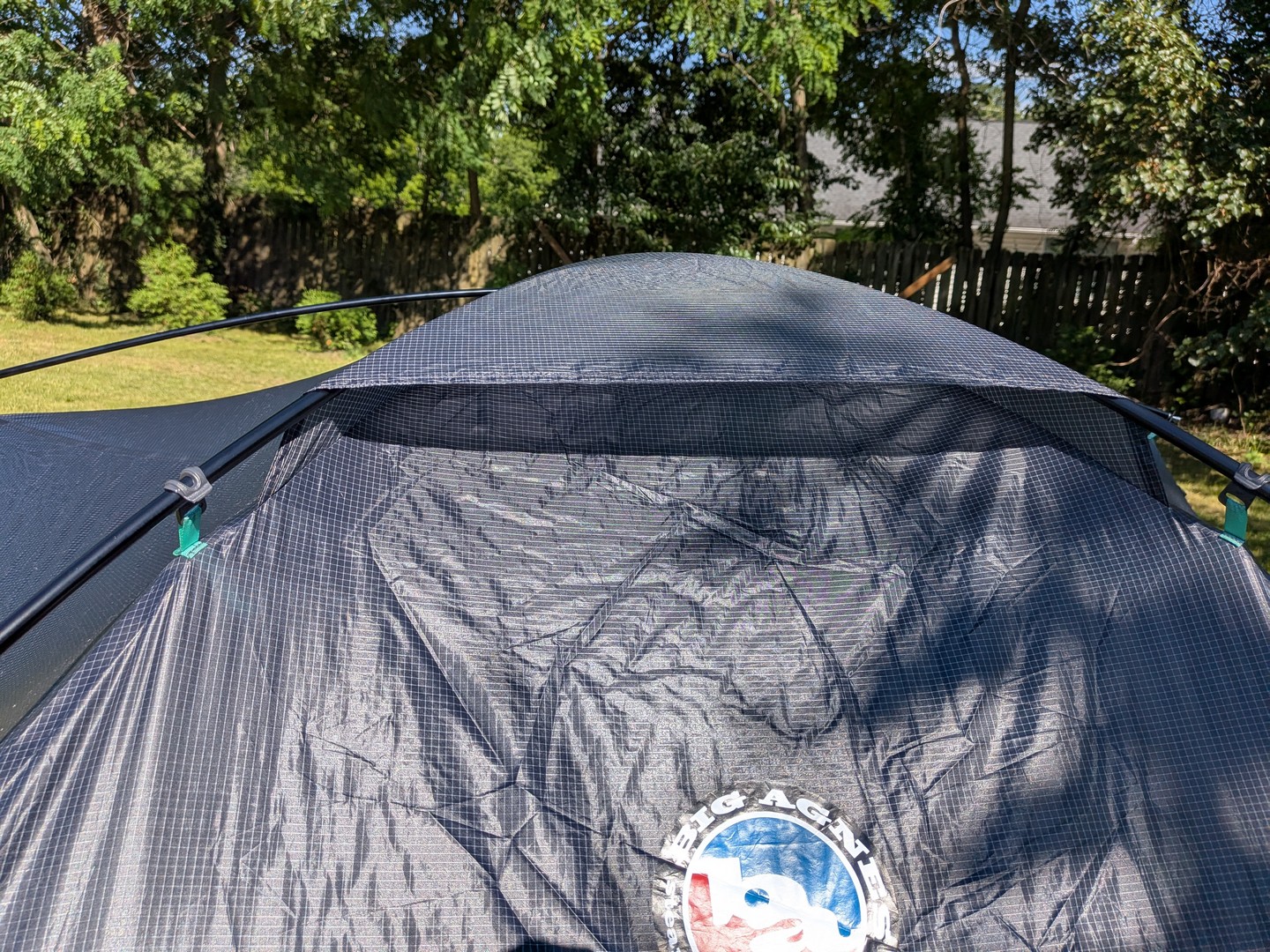
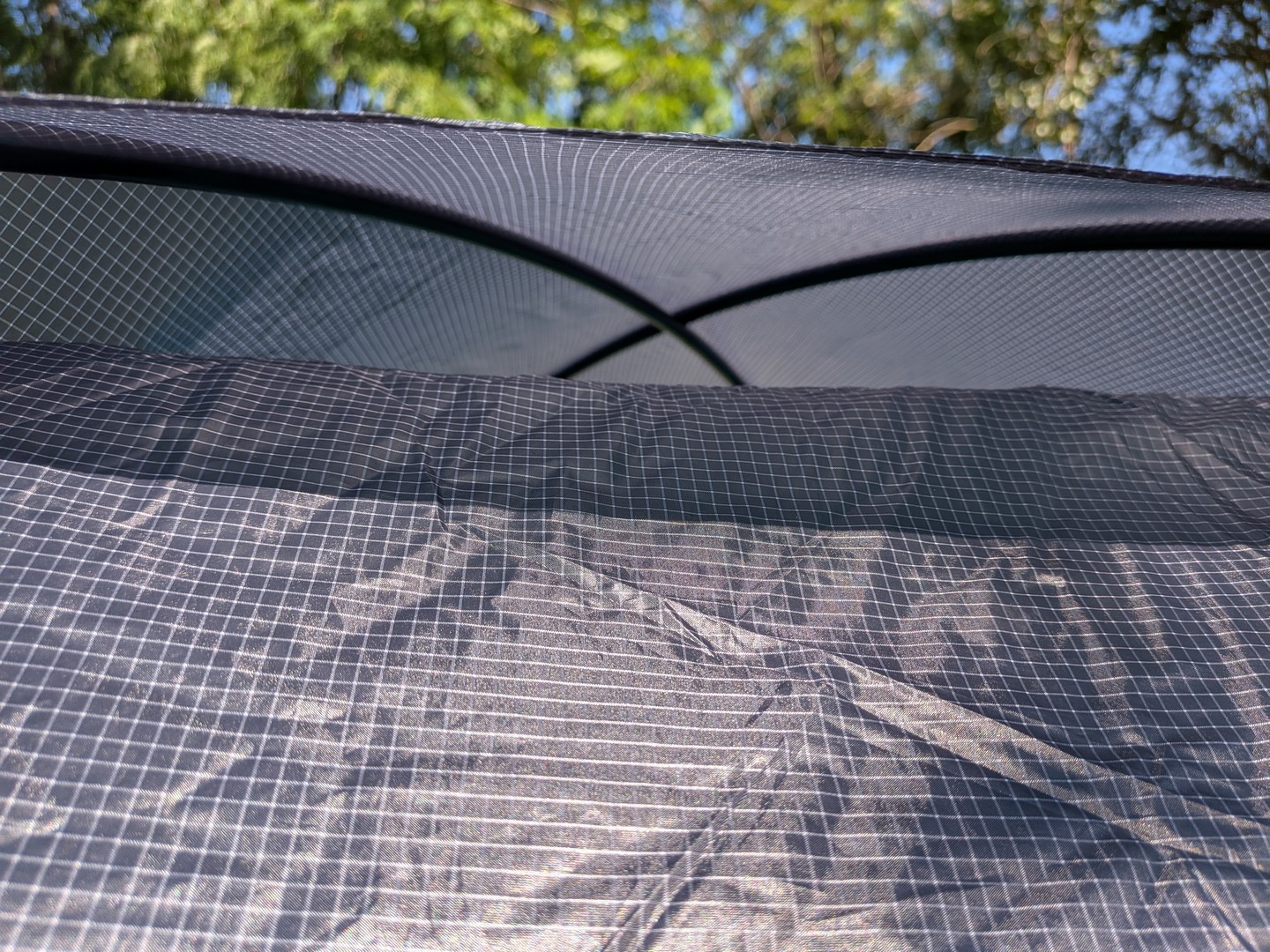
Setup of the tent is mostly very easy. Assemble the poles, slide the poles through the top vents (they hold them open in this design), pop the tips into the corner grommet, then attach the remaining clips to the fly. Stake it down and it’s finished. I liked that the tent stayed dry during setup as the rain fly is always facing up and keeping out moisture, and I really didn’t find the pitch to be a challenge to get correct. It goes up taut, without fuss, and is one of the faster to assemble tents I’ve used. Taking it down is just as easy. If the tent is full of condensation it will get a bit messy as you take it down as it will transfer to the floors and mesh, but packing a microfiber towel to wipe it down before hand helps with this issue.
Build wise, the Sarvis is impressively sturdy for an ultra-light tent. The DAC aluminum poles are sturdy and don’t cave in the wind, the fabric holds strong in wind, and all the steams and stitching are top quality all around. Thin fabrics require a little TLC of course, but no worries overall here. It’s a well built shelter.
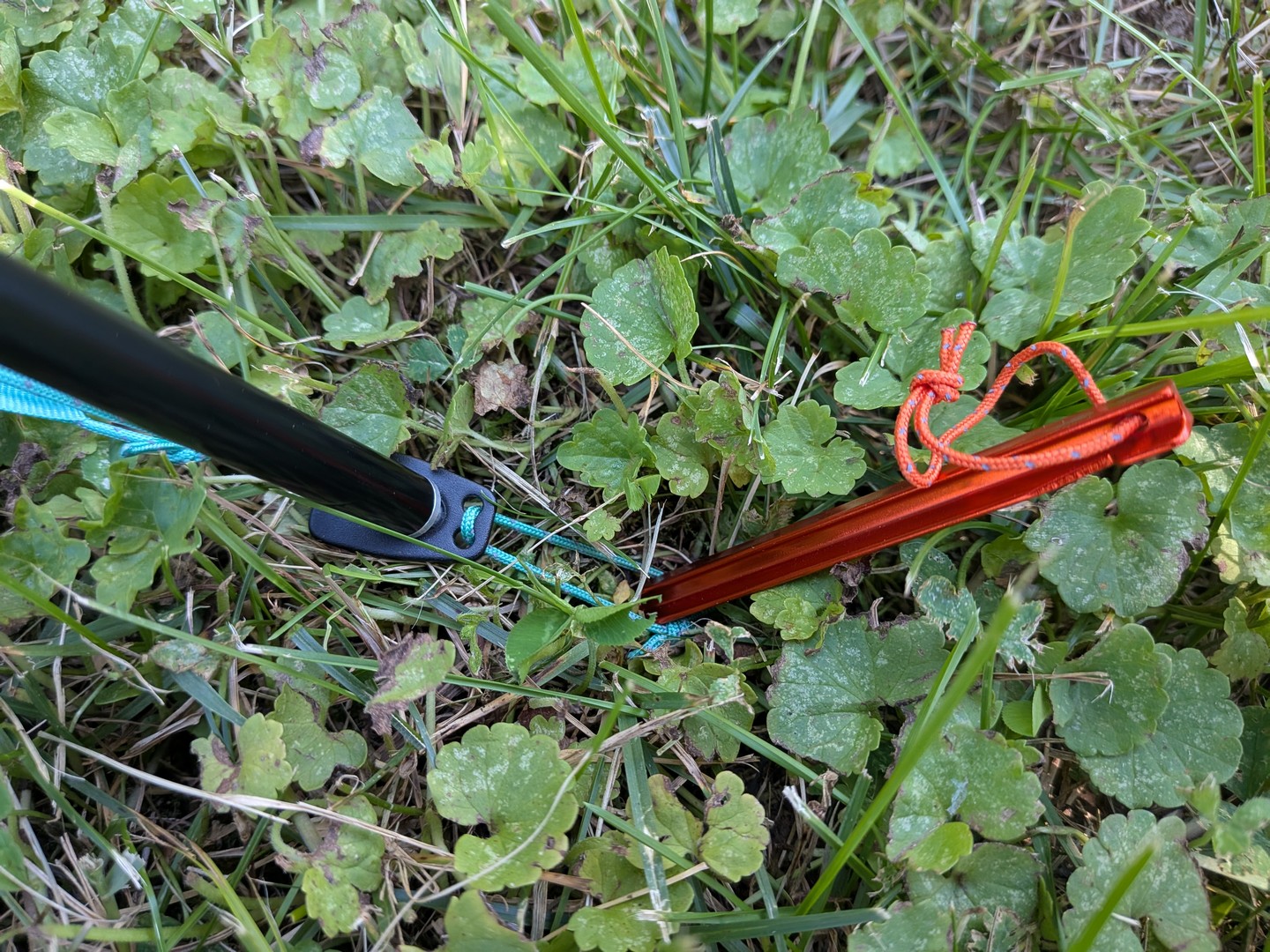
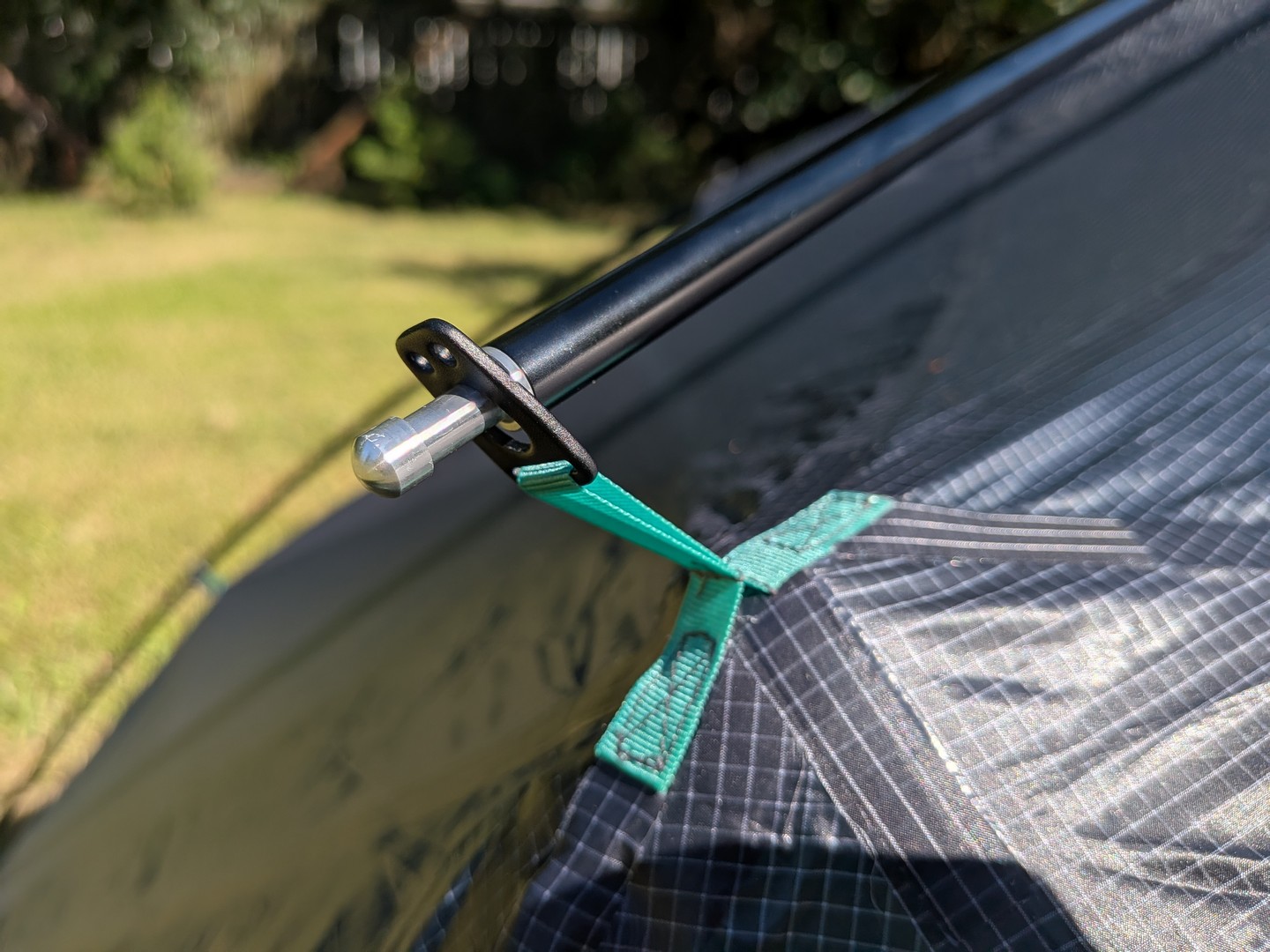
Other neat details like tent doors that clip open (instead of using toggles) makes life a lot easier. There are no interior pockets which is a bit of a bummer, but loops exist to add a soft for storage if that’s a problem. The included stuff sack is a little tight, but I generally don’t use those anyway (I just stuff the tent in my bag without it). I wish the shelter included two more tent stakes so I could stake out every guy line at the same time, but it’s cheap enough to add a couple to the kit. I would recommend it.
Overall
I really like the SVT design. It has great ventilation, it’s built well, goes up easy and dry, and is easy to use. The SVT 3 weighs about as much as most two person shelters, making it an excellent 2+ person tent, which is great for those who prefer a little extra room. Condensation will be a challenge in some wetter areas, but not enough to necessarily prevent me from recommending it. If weight is the main concern, this is an excellent option, if you can handle the recommended $850 price tag.
Highly Recommended
Want to learn more about this product and their other offerings? You can check out their products Here. This is an affiliate link. Help a guy out.
For information on our rating system and our testing procedures, check out our About us/ Contact us page.
Big thanks to Big Agnes for allowing us to borrow this shelter for testing. We couldn’t do this without their support.
Our full disclosure can be found on our about us page. Thanks as always for reading! Don’t forget to follow our blog for future updates and reviews (link on the right also).
If you have any questions, comment below, send us an email, or find us on Twitter or Facebook (links on the right)
**No AI was used in the creation of this content**
Discover more from TreeLineBackpacker
Subscribe to get the latest posts sent to your email.

